Fast absorption with lower doses
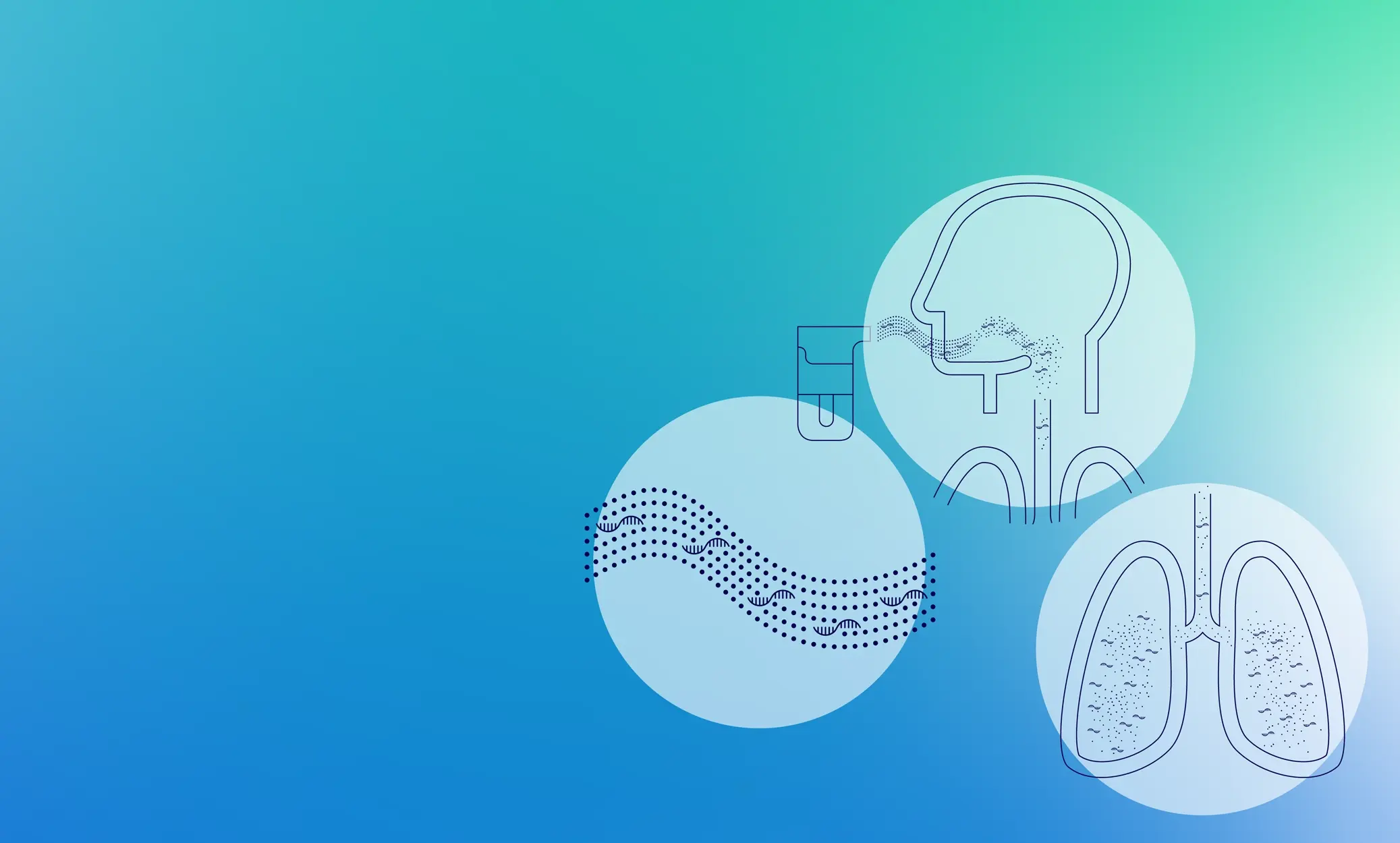
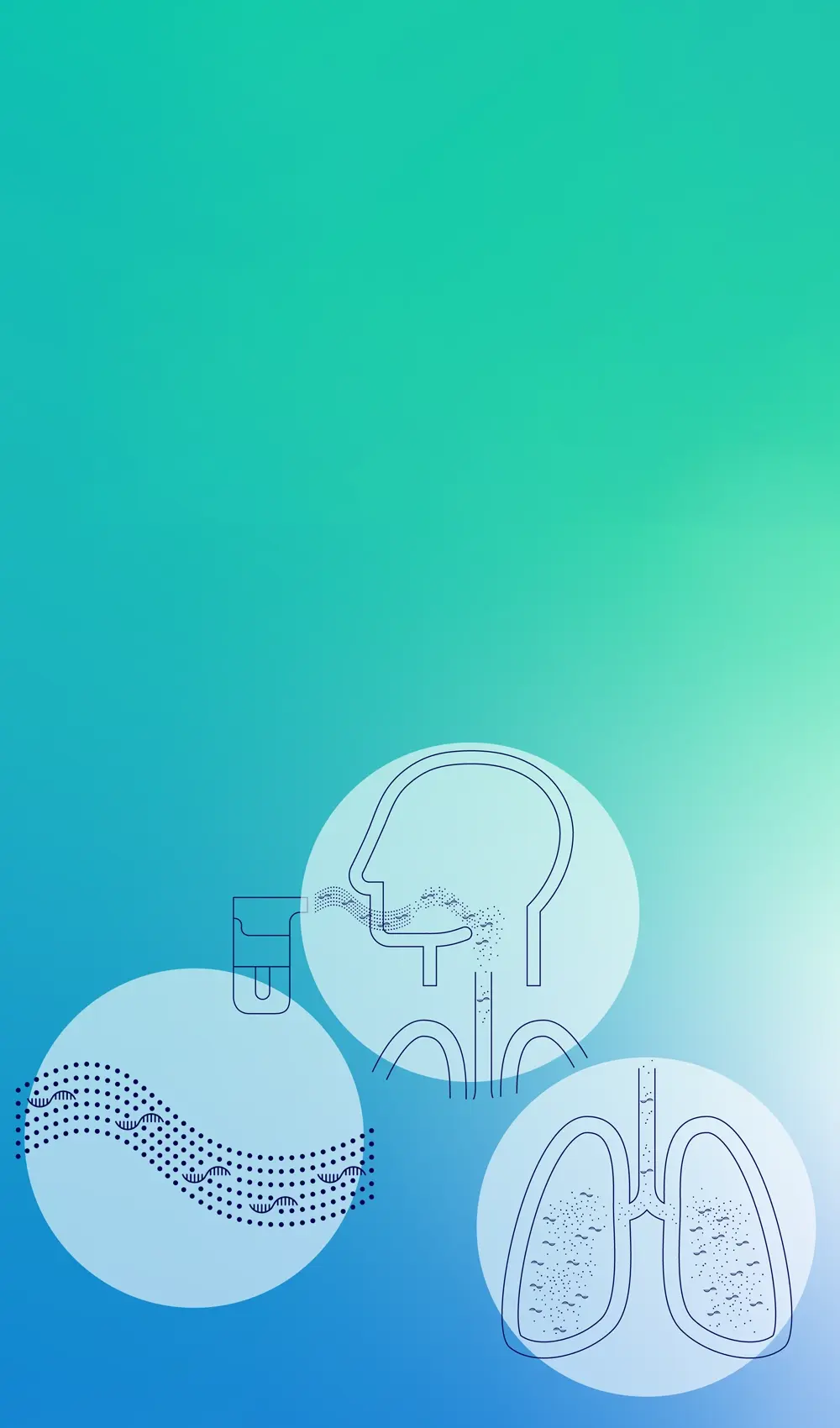
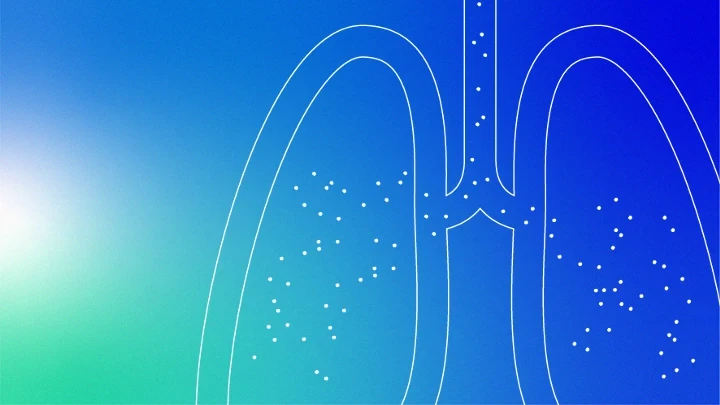
Our lungs have a huge surface area of around 70-100m2 – around the same size as a tennis court. A greater surface area allows more space for drug absorption. They also have an extremely thin air-blood barrier, just 01.-0.5 micrometres thick. This means that drugs only have to cross two cell layers to reach the bloodstream, meaning that uptake is fast and efficient. As we breathe, our lungs receive the entire cardiac output every few minutes, so inhaled drugs can enter our bloodstream as quickly as an intravenous injection. Inhalation also means that drugs bypass the liver’s first-pass effect, meaning lower doses may be effective and patients experience fewer systemic side effects. And of course, when given the choice, patients prefer the comfort and convenience of inhalation over intravenous injections.
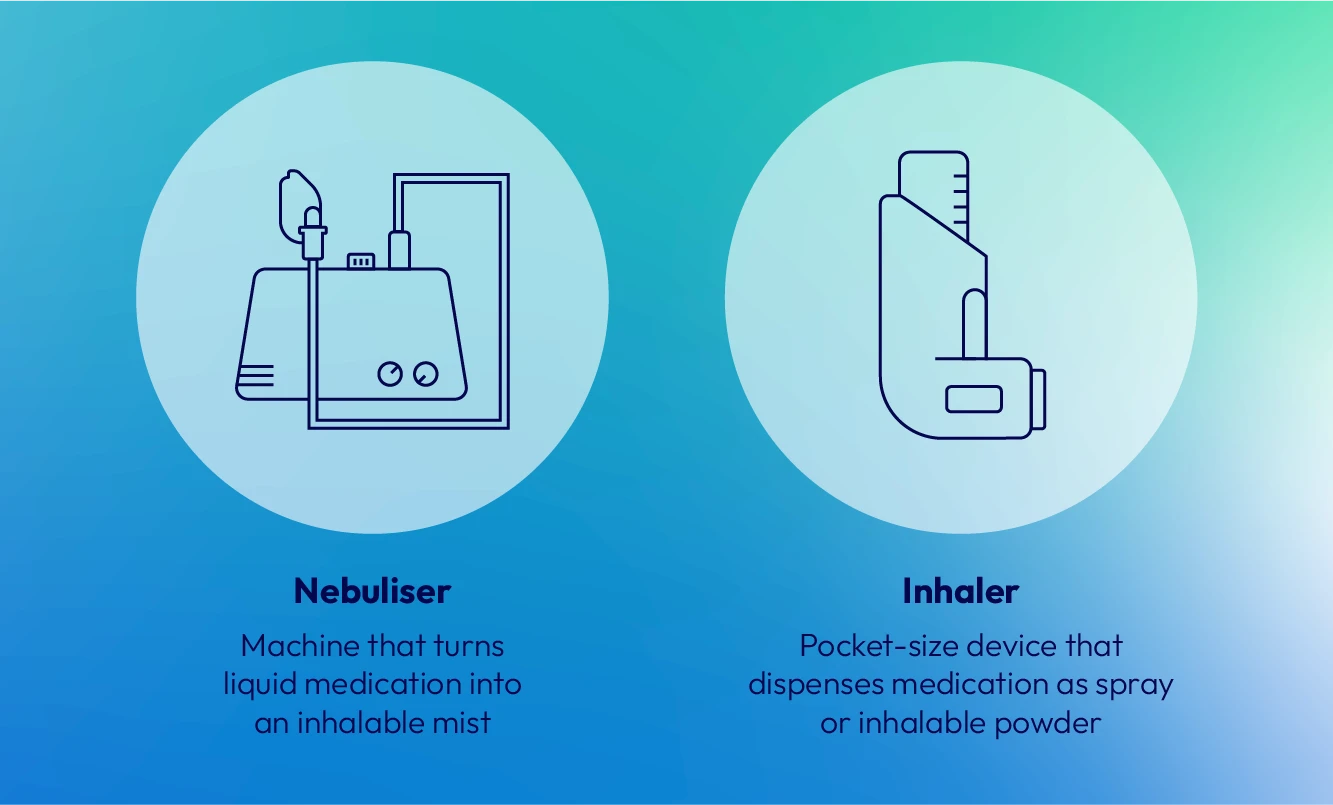
The difference between inhalers and nebulisers
So, how to get drugs into the pulmonary system? Patients can use inhalers or nebulisers – but there are crucial differences between them. Inhalers are small and quick to use, but they require training and co-ordination to use correctly. This makes them unsuitable for very vulnerable patients or when it’s not practical to train large numbers of people to use them, for example in the event of a vaccination programme. Nebulisers are often used in hospital settings, or by the most vulnerable patients, because they only require the patient to breathe as normal. All of these benefits mean that inhalation via nebuliser is extremely suited for treating chronic conditions.
Nebu~Flow: a better patient experience
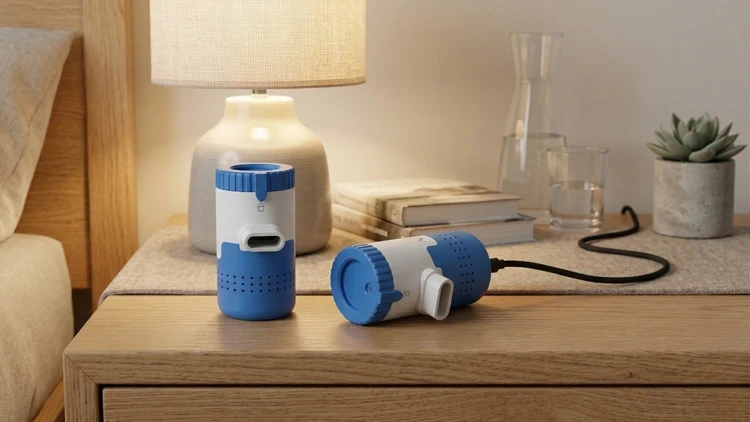
However, current nebuliser technology has many limitations when it comes to patient experience: the machines can be noisy, inefficient, hard to clean and difficult to use. All of these problems contribute to patients’ burden of disease. And as any clinician will tell you, they make it harder to ensure patient compliance. Nebu~Flow unlocks the real benefits of inhaled drug delivery. Gentle, convenient, silent and portable, it transforms the patient experience, making treatment far more comfortable and convenient.
" height="15.999999771118164px" id="xHp8vPaFa" width="89.49800189208986px"/><path d="M 12.316 6.316 C 11.788 6.317 11.261 6.249 10.751 6.112 C 9.297 5.723 8.318 4.826 7.455 4.033 C 6.455 3.115 5.665 2.389 4.261 2.389 C 3.414 2.389 2.08 3.083 1.439 3.522 L 0 1.577 C 0.235 1.415 2.506 0 4.42 0 C 6.818 0 8.05 1.276 9.17 2.302 C 9.917 2.988 10.562 3.579 11.418 3.809 C 13.14 4.269 14.78 3.21 14.796 3.2 L 16.214 5.163 C 16.129 5.219 14.471 6.316 12.316 6.316 Z" fill="rgb(255, 255, 255)" height="6.316015918178664px" id="oi5UDDihQ" transform="translate(41.5 2)" width="16.213999999999942px"/></g></svg>)